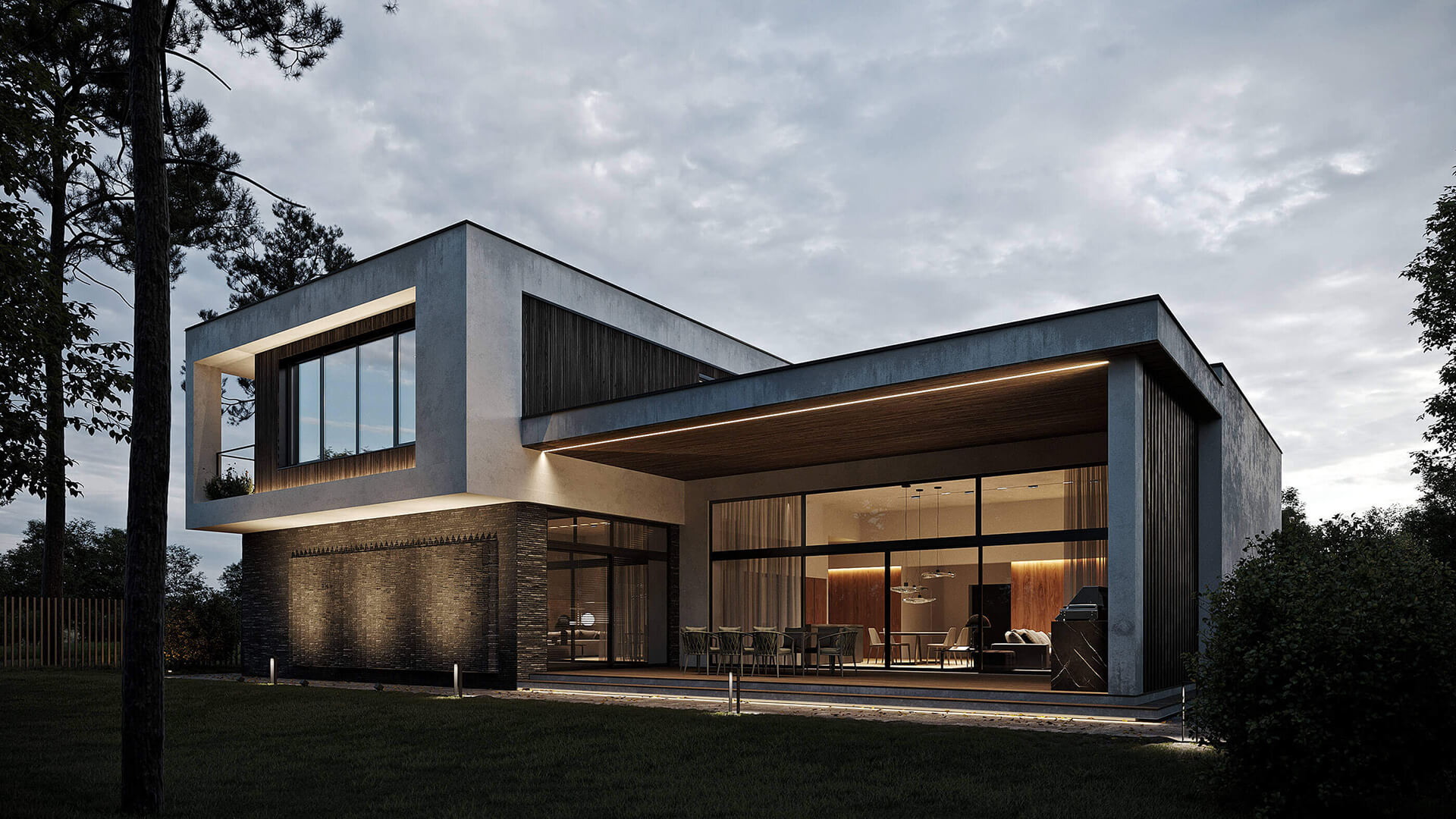

The Importance of Architecture in 2026: Designing for a Smarter, Sustainable Future
As we step deeper into a new era of technological advancement, climate urgency, and shifting urban needs, the importance of architecture in 2026 has never been more evident. Architecture today goes far beyond aesthetics—it is at the core of how societies evolve, how people live, and how cities adapt to global challenges.
From AI-driven design to green urbanism, the role of architecture in shaping human life is rapidly expanding. In 2026, architects are not just building structures—they are crafting solutions for a changing world.
1. Responding to the Climate Crisis Through Design
With the global climate emergency escalating, architecture plays a critical role in reducing carbon footprints and enabling resilient urban environments. In 2026, the best architectural practices are:
-
Designing net-zero buildings using passive cooling, solar orientation, and smart materials
-
Integrating renewable energy systems into homes, offices, and public buildings
-
Reviving traditional design techniques (like courtyard layouts or thick stone walls in Cyprus) that naturally support insulation and ventilation
-
Using local, low-impact materials to reduce construction emissions
Architects are now expected to lead sustainability strategies, making environmental performance a core design metric—not just a bonus.
2. Human-Centered Architecture for Health and Wellbeing
Post-pandemic living has permanently shifted expectations around space, light, and flexibility. In 2026, architects prioritize:
-
Biophilic design, which integrates natural elements to reduce stress and boost mental health
-
Flexible interior layouts that support hybrid work and evolving family needs
-
Health-conscious design, including improved air circulation, low-VOC materials, and access to green spaces
-
Community-driven spaces that enhance interaction and safety in both urban and suburban settings
The importance of architecture in 2026 lies in its power to support physical, mental, and emotional well-being through thoughtful, human-first spaces.
3. Smart Cities and Technological Integration
Architecture is now at the core of smart city development. In 2026, building design integrates directly with data, infrastructure, and digital tools:
-
AI-assisted design and generative architecture tools speed up planning while optimizing performance
-
IoT-enabled buildings offer energy monitoring, adaptive lighting, and predictive maintenance
-
Digital twins help architects simulate entire neighborhoods before they’re built
-
Smart mobility infrastructure, such as EV charging and cycling networks, is now part of architectural scope
Cities around the world—including Larnaca, Cyprus—are implementing urban plans where architecture, infrastructure, and digital intelligence work together.
4. Cultural Preservation and Local Identity
As cities modernize, there’s a renewed need to preserve heritage and local architectural identity. In 2026, successful architecture balances innovation with tradition by:
-
Restoring and repurposing historic buildings
-
Blending modern forms with local materials and techniques
-
Designing new developments that reflect the cultural narrative of the place
In Cyprus, this means villas and buildings that echo Byzantine, Venetian, and Mediterranean influences—while still incorporating minimalist modernism and sustainability.
5. Urban Density and Housing Innovation
Global urbanization continues to surge, and housing crises are intensifying. Architects are being tasked with creating:
-
Affordable yet high-quality housing units that don’t compromise on design
-
Vertical green cities to manage density without losing livability
-
Mixed-use spaces where living, working, and leisure coexist
-
Modular and prefabricated structures to speed up construction and reduce waste
In 2026, the importance of architecture is inseparable from urban resilience—especially in high-growth areas like Southern Europe, Asia, and Africa.
Conclusion: Why Architecture Matters More Than Ever in 2026
Architecture in 2026 is no longer just about buildings—it’s about the future. From climate solutions and smart technology to wellness and identity, architecture has become the meeting point of innovation, humanity, and survival.
Whether you’re planning a new home, leading a city project, or investing in real estate, understanding the importance of architecture in 2026 is essential. It’s not just about design—it’s about shaping how we live, thrive, and protect the planet.