Residential Architect Larnaca: Designing Homes Built for Cyprus Life
Larnaca is growing. New residential neighbourhoods are taking shape across Drosia, Livadia, Oroklini, and the areas surrounding the marina. As demand for well-designed homes increases, so does the need for a qualified residential architect in Larnaca who understands the local planning framework, the Mediterranean climate, and what clients actually want from a home in Cyprus.
Whether you are building a private villa, a family house, or a multi-unit residential development, working with an experienced architect from the outset determines the quality of the outcome. This article explains what residential architecture involves in Larnaca, what to expect from the process, and why local expertise matters.
What a Residential Architect Does in Larnaca
A residential architect handles far more than drawing up floor plans. In Cyprus, the architect’s role covers the entire project lifecycle — from site analysis and concept design through to building permit applications, construction supervision, and project completion.
In Larnaca specifically, this means navigating the local planning zone regulations administered by the Larnaca District Administration and the Department of Town Planning and Housing. Each zone carries specific rules governing maximum building density, coverage ratios, height restrictions, and setback distances. An architect who works regularly in Larnaca knows these parameters without having to look them up.
Residential projects in Cyprus also require coordination with civil engineers, surveyors, and contractors. A full-service architectural firm manages this coordination on behalf of the client, reducing delays and ensuring compliance at each stage.
Residential Architecture in Larnaca: What the Market Looks Like
Larnaca’s residential property market has shifted significantly over the past five years. The Larnaca Marina redevelopment has attracted international investment and stimulated a wave of new residential projects near the seafront. Areas like Mackenzie, the marina corridor, and the established suburbs of Drosia and Livadia continue to attract both local buyers and foreign investors.
Residential typologies in demand include:
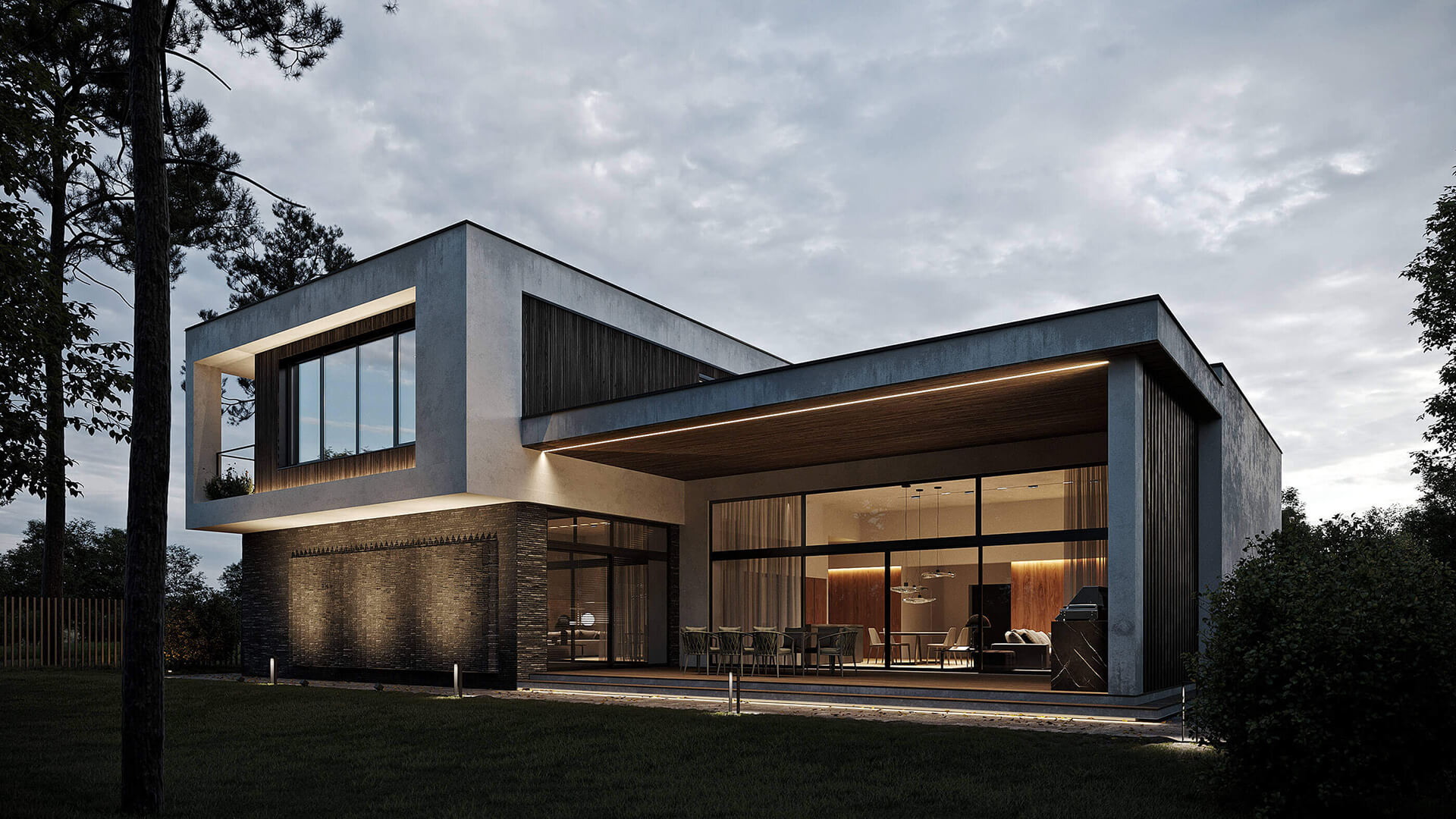
- Private villas: Typically 3-5 bedrooms, often with a pool, on plots ranging from 500 to 2,000 square metres
- Semi-detached houses: Increasingly popular in suburban areas such as Livadia and Anglisides
- Apartment buildings: Ranging from boutique 6-unit blocks to larger mixed-use residential developments
- Renovation projects: Older stone houses and 1970s-era buildings being upgraded to modern standards
Each type carries different design, regulatory, and structural considerations. A residential architect in Larnaca handles all of them but approaches each one differently. Invest Cyprus publishes updated data on residential investment trends across the island, including Larnaca’s growing share of new project activity.
The Residential Design Process: From Brief to Completion
Understanding what to expect from the design process helps clients engage more effectively with their architect and avoid surprises during the project.
Stage 1 — Site and brief analysis The architect visits the site, reviews the town planning zone, and discusses the client’s requirements in detail. Budget, timeline, intended use, and aesthetic preferences are all established at this point.
Stage 2 — Concept design Preliminary designs are produced and presented to the client. These are adjusted based on feedback before the project moves forward.
Stage 3 — Building permit drawings Full architectural and structural drawings are submitted to the relevant authority. In Larnaca, this is processed through the Municipal Council and the Department of Town Planning. Permit timelines vary based on the complexity of the project and the specific zone.
Stage 4 — Construction supervision The architect monitors the build to ensure it matches the approved drawings and meets Cyprus building standards. This stage is critical for maintaining quality and avoiding costly corrections.
Stage 5 — Completion certificate Once the building is complete and inspected, the architect applies for the completion certificate, which is required for utility connections and title deed registration.
Key Considerations for Building a Residential Home in Larnaca
Several factors influence how a residential project unfolds in Larnaca.
Plot zoning and coverage Not all land in Larnaca is zoned for residential development. Before purchasing a plot, it is essential to verify the town planning zone and what the permitted building parameters allow. Your architect should carry out this due diligence as part of the initial site assessment.
Orientation and climate Cyprus receives over 300 days of sun per year. A well-designed home in Larnaca accounts for solar orientation, prevailing winds from the sea, and shading requirements to reduce cooling costs and improve livability throughout the year.
Materials and construction quality Reinforced concrete frame construction is standard in Cyprus. The quality of materials, the specification of insulation, and the choice of finishes vary significantly. The architect’s role includes specifying materials that meet both regulatory requirements and the client’s expectations.
Proximity to the coast Properties near the Larnaca seafront or within the marina zone may be subject to additional restrictions or design guidelines. An architect with experience in coastal residential projects in Cyprus understands these constraints and can design within them effectively.
Energy performance Cyprus building regulations require compliance with energy performance standards. A well-briefed residential architect integrates passive design strategies — orientation, shading, ventilation — from the early design stages rather than treating energy as an afterthought.
Larnaca’s Residential Landscape: Neighbourhoods and Opportunities
Different parts of Larnaca suit different residential project types. Drosia and Livadia remain the preferred locations for large private villa plots, with mature neighbourhoods, tree-lined streets, and good infrastructure. The area around Larnaca Municipality continues to invest in public space improvements that support residential values across the city.
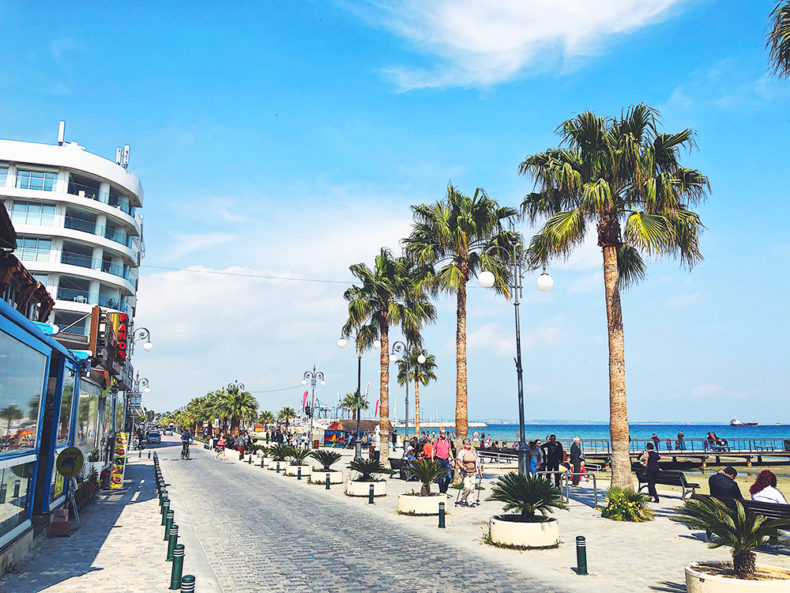
The marina zone and the Mackenzie seafront corridor have become the focal point for premium residential apartment development. Projects in this area attract international buyers and require a higher standard of architectural finish and specification. The Finikoudes promenade and the broader city centre are also seeing steady renovation activity as older buildings are upgraded.
For families, areas such as Aradippou and Anglisides offer larger plots at more accessible price points, with good access to schools and amenities. A residential architect based in Larnaca can advise on which zones offer the best combination of planning flexibility and long-term value for a specific project type.
Why Work With M. Photiou Architecture Studio
M. Photiou Architecture Studio has been designing residential homes across Larnaca and Cyprus for over 30 years. The firm holds a European architecture award and has delivered projects across every residential typology — from private villas and luxury apartment complexes to boutique residential developments near the marina.
Completed residential projects include luxury villas in Larnaca, Olive Residences, La Maison Gardens, Saint Elias Residences, and the Theta and Epsilon Residences. The studio manages the full process from concept to completion certificate, providing a single point of accountability throughout. Explore the firm’s full services and project portfolio, or visit mphotiou.com to learn more about the studio’s approach to residential architecture in Cyprus.
To discuss a residential project in Larnaca, contact the studio directly at mphotiou.com/contact/.
Building a home in Larnaca is one of the most significant investments a person makes. Working with a qualified residential architect who knows the local planning system, the construction market, and the Mediterranean context is what separates a well-executed project from a frustrating one.