Interior Design Larnaca Cyprus: Creating Spaces That Define Quality
Interior design in Larnaca and Cyprus has shifted considerably over the past decade. Demand from international buyers, a growing expat community, and a wave of high-specification residential development near the Larnaca Marina have all raised the standard for what clients expect from interior spaces. A well-designed interior is no longer a luxury reserved for premium developments — it has become a baseline expectation for any residential or commercial project that intends to hold its value.
Interior design in Cyprus sits at the intersection of architecture, material selection, and spatial planning. Done well, it connects the building’s structure to how people actually use and experience the space. Done poorly, it creates friction — rooms that feel disconnected, layouts that waste light, finishes that deteriorate quickly in Cyprus’s climate. For anyone building or renovating in Larnaca, understanding what interior design involves, and choosing the right team to deliver it, makes a direct difference to the finished result.
This article covers what interior design encompasses in the context of Cyprus, the dominant styles and influences shaping Larnaca’s new builds, the practical considerations that matter in this specific climate and market, and how M. Photiou Architecture Studio approaches interior design as part of an integrated service.
What Interior Design Actually Involves
Interior design is a discipline that extends well beyond choosing furniture or paint colours. In the context of a new build or major renovation in Cyprus, it encompasses spatial planning, material specification, lighting design, joinery and fitted elements, and the coordination of finishes across every surface in the building.
At the planning stage, interior design decisions influence the architectural layout. Ceiling heights, window placement, structural walls, and floor plan proportions all affect how a space can be designed and used. This is why interior design is most effective when it begins during the architectural phase rather than after the building is complete. Retrofitting an interior scheme into a structure that was not designed with it in mind adds cost, limits options, and often produces compromised results.
Material specification is a significant part of the process. In Cyprus, material choices must account for the climate: high UV exposure, summer heat, and coastal salinity in seafront locations all affect the durability and maintenance requirements of finishes. Stone, ceramic, and porcelain perform reliably; some timbers and metals require specific treatment or protective coatings to maintain their appearance over time. An experienced interior designer working in Larnaca will know which materials perform and which create maintenance problems within a few years of installation.
Lighting design is another area where interior design adds substantial value. Natural light management — controlling glare, directing light into deep-plan spaces, managing solar heat gain — is a technical skill that combines architecture and interior design knowledge. Artificial lighting layers (ambient, task, and accent) require planning at the fit-out stage, not as an afterthought.
Interior Design Styles in Larnaca and Cyprus
Larnaca’s residential market supports a range of interior design approaches, and the right style depends on the building type, the client’s use case, and the location.
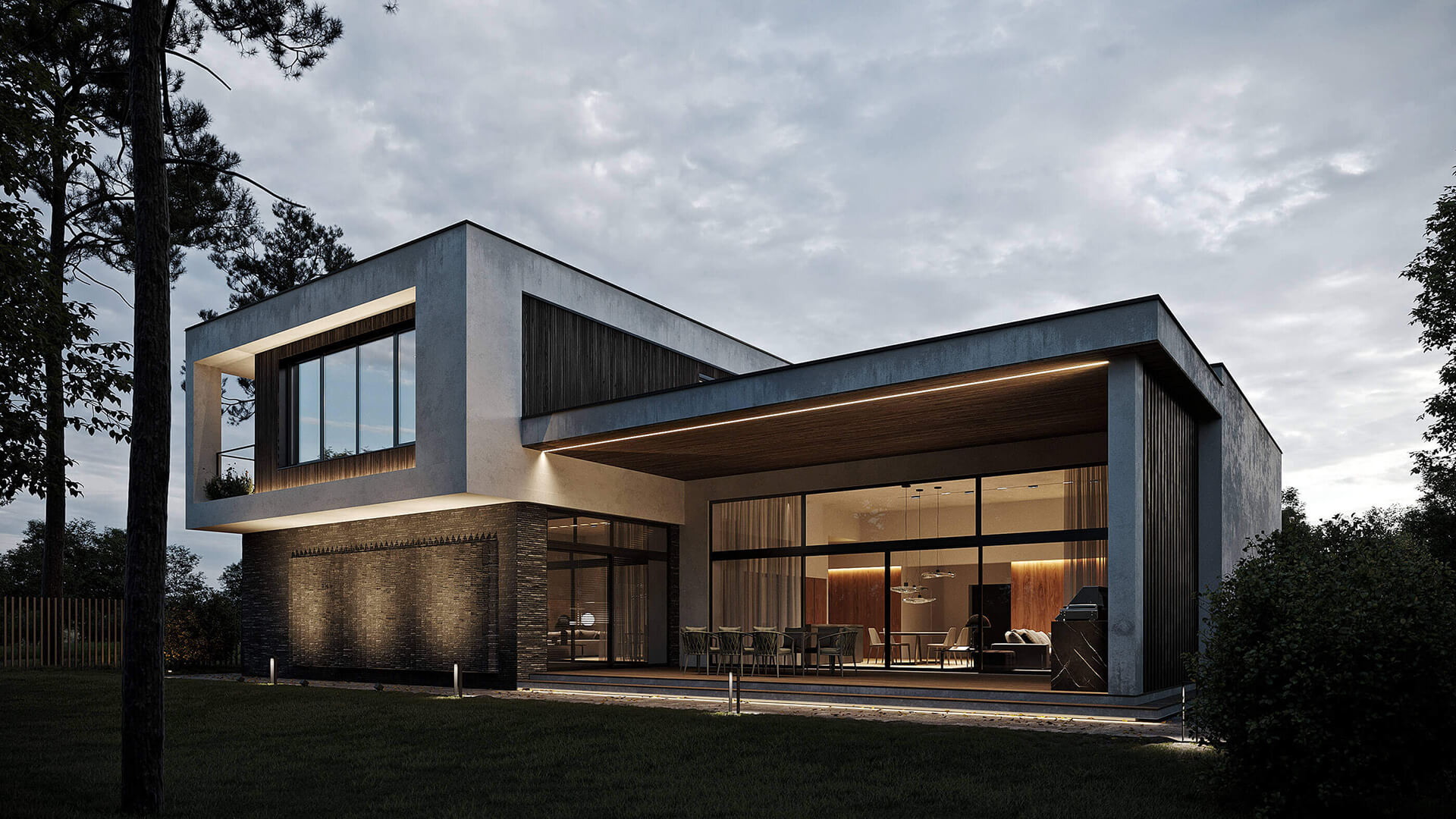
Contemporary Mediterranean remains the dominant direction for residential projects in Cyprus. This approach draws on the island’s architectural heritage — whitewashed surfaces, natural stone, timber, and generous outdoor living spaces — while applying clean contemporary lines, restrained material palettes, and modern fixtures. For properties near the seafront or in Larnaca’s established residential areas like Drosia and Livadia, this style integrates well with the surrounding environment and holds strong appeal for both local and international buyers.
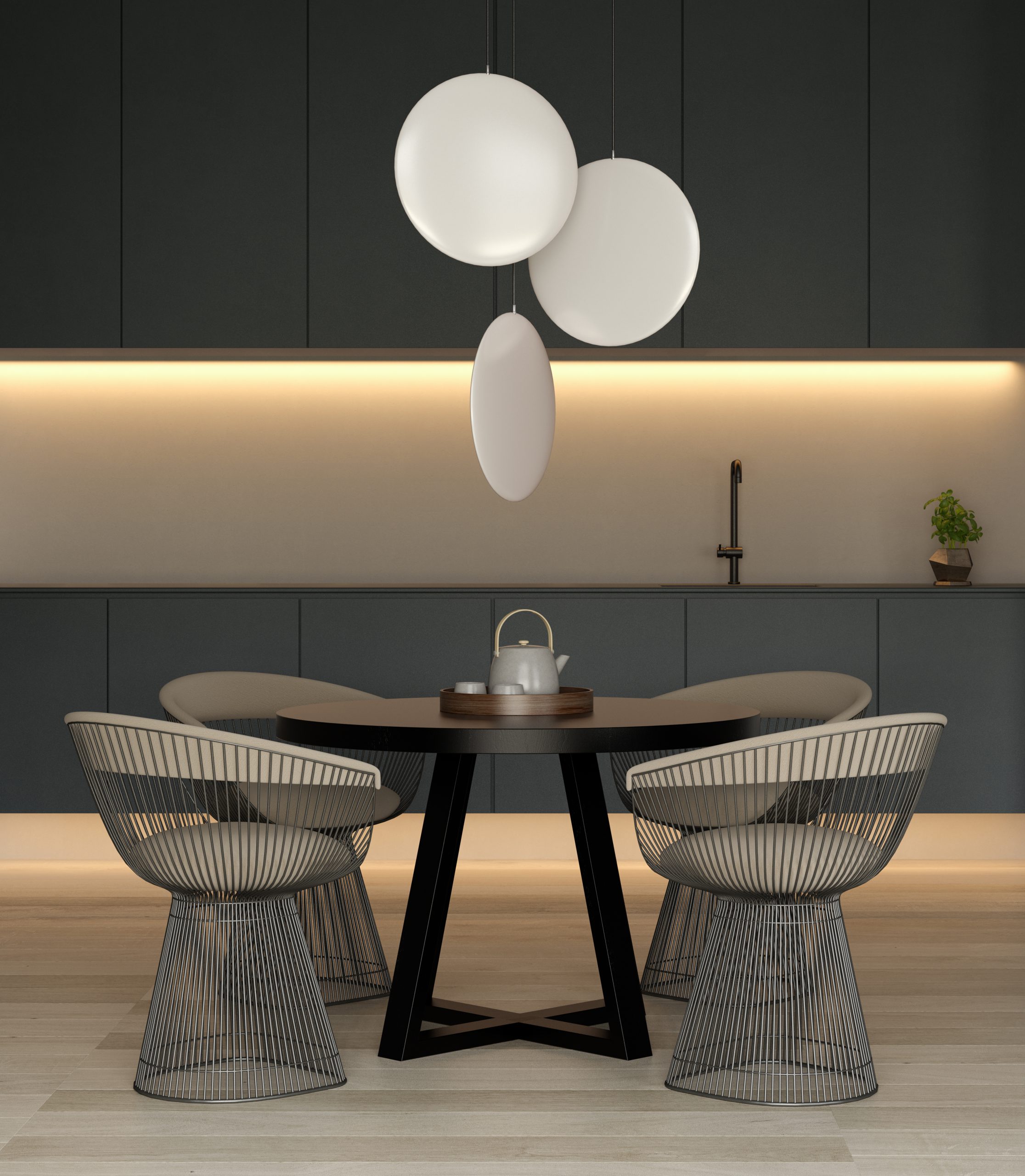
Minimalist and modern interiors are increasingly common in Larnaca’s new apartment developments and marina-adjacent projects. These schemes prioritise spatial clarity, concealed storage, flush joinery, and a limited palette of high-quality materials. They tend to suit younger buyers, investors seeking rental appeal, and international clients accustomed to European design standards.
Transitional design — combining classical proportions with contemporary finishes — is popular for larger villas and family homes where warmth and permanence matter alongside visual quality. Marble, solid timber, and bespoke joinery are characteristic elements of this approach.
For commercial and hospitality projects, the design brief is driven by brand and function. Hotels, restaurants, and office spaces in Larnaca require interior design that supports operational efficiency while creating a strong sense of place.
Key Considerations for Interior Design in Cyprus
Several factors are specific to Cyprus that any interior designer working here must account for.
Climate performance: Cyprus has over 300 days of sunshine per year, and Larnaca sits on the coast. Window treatments, external shading, and material choices all contribute to thermal comfort and energy efficiency. The European Commission’s Cyprus representation publishes updated guidance on energy performance standards applicable to new and renovated buildings.
Outdoor living integration: In Cyprus, the boundary between interior and exterior space is fundamental to how buildings are used. Terraces, verandas, pergolas, and pool areas are not add-ons — they are extensions of the living space. Interior design that treats these transitions as a priority produces a more coherent and usable result.
Building regulations and fit-out: Interior fit-out in Cyprus must comply with building permit conditions and, for commercial projects, fire safety and accessibility regulations. An interior designer who understands the regulatory environment avoids specification choices that will create problems during inspection or handover.
International buyer expectations: Larnaca’s property market includes a high proportion of international buyers — from Israel, the UK, the EU, and beyond. For developers targeting this audience, interior design quality is a direct factor in sales and rental performance. Invest Cyprus data consistently shows that quality of finish and design is among the top criteria for foreign buyers evaluating Cypriot residential property.
Interior Design for Larnaca’s New Developments
Larnaca’s current development cycle is concentrated in specific areas: the Marina and waterfront corridor, the city centre, and the established residential neighbourhoods of Drosia, Livadia, and Oroklini. Each of these areas has its own character and buyer profile, and interior design schemes should reflect both.
Marina-adjacent developments are attracting buyers who expect high specifications: engineered stone surfaces, large-format porcelain, smart home integration, and outdoor kitchen areas. Interior schemes for these projects must perform at a level consistent with comparable developments in Limassol and across the EU.
Residential projects in Drosia and Livadia tend to serve families and established expats. Here, the priority shifts toward durability, functional layout, and outdoor space quality. Stone cladding, shaded terraces, and practical kitchen design rank higher than statement aesthetics.
Renovation projects in Larnaca’s older housing stock require a different approach. Many properties in the city centre and surrounding neighbourhoods have strong bones — solid construction, generous proportions, good ceiling heights — but need comprehensive interior updating. An architect-led interior design process is particularly valuable here, as structural and interior decisions are closely interconnected.
Why Work With M. Photiou Architecture Studio
M. Photiou Architecture Studio offers interior design as part of an integrated architectural service, which means interior decisions are made in coordination with structural and spatial design from the outset. With over 30 years of experience in Cyprus and a portfolio spanning residential villas, apartment complexes, hospitality projects, and commercial buildings, the firm brings direct knowledge of what works in Larnaca’s specific market and climate.
Projects such as La Maison Gardens, Olive Residences, and Saint Elias Residences demonstrate the firm’s ability to deliver high-specification interiors across different building typologies and client profiles. The team works with clients to define a design direction that suits the building, the location, and the intended use — without defaulting to generic solutions.
View completed projects at mphotiou.com/projects or explore the full services offer. To discuss your project requirements, contact the studio at mphotiou.com/contact.
Interior design in Larnaca and Cyprus rewards investment when it is treated as a technical and creative discipline from the start of a project — not a final layer applied after the building is done.