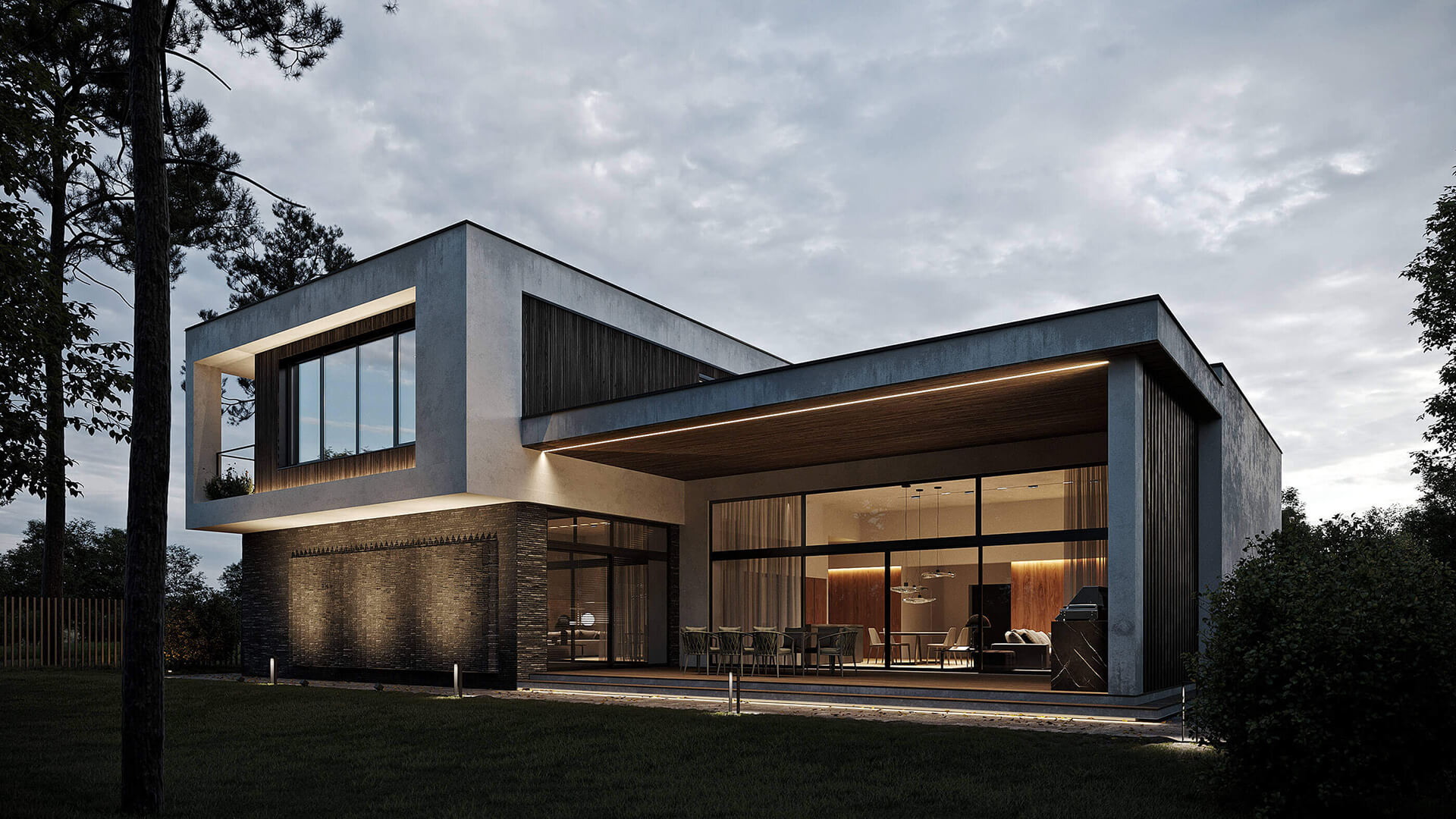

Architecture in Cyprus: A Comprehensive Analysis
Cyprus has long been a crossroads of civilizations, and its architecture reflects a complex mix of historical layers and modern evolution. Today, architecture in Cyprus is defined by a blend of Mediterranean minimalism, sustainable design, and smart urban planning. In this analysis, we explore how the island’s built environment has developed, where it’s headed, and what makes Cypriot architecture unique in the regional context.
Historical Context and Cultural Influence
Traditional Cypriot architecture is rooted in Byzantine, Venetian, Ottoman, and British colonial styles. In rural areas, stone-built houses with internal courtyards and shaded verandas reflect the island’s adaptation to climate and social life. In urban centers, colonial-era government buildings still stand as reminders of administrative transitions.
This cultural depth informs today’s architecture – where past influences are often reinterpreted through contemporary materials and structural techniques.
Modern Architectural Trends in Cyprus
The 21st century has seen a sharp rise in modern architecture in Cyprus, particularly in cities like Larnaca, Limassol, and Nicosia. Key trends include:
- Minimalist aesthetics with clean lines and open layouts
- Use of natural materials like stone, concrete, wood, and glass
- Energy-efficient design, including passive cooling and solar integration
- Indoor-outdoor living spaces to match Cyprus’s warm climate
These trends are shaping the identity of new residential complexes, commercial buildings, and public infrastructure across the island.
Urban Development and Real Estate Influence
Real estate investment – especially in coastal cities – is one of the main drivers behind the transformation of architecture in Cyprus. Developments such as high-rise towers in Limassol, seafront villas in Larnaca, and gated communities in Paphos are reshaping cityscapes.
However, there’s increasing concern about balancing density with heritage preservation. Urban planners and architects now face the challenge of creating sustainable cities without erasing historical character.
Sustainable and Regulatory Shifts
Cyprus is aligning with EU regulations to promote green architecture. New building codes encourage:
- Nearly zero-energy buildings (nZEB)
- Eco-friendly materials
- Smart home technologies
- Rainwater harvesting and solar panels
The rise in architectural consultancies offering full-scope sustainable design is a reflection of this shift. Architecture is no longer just visual – it’s functional, environmental, and regulatory.
Regional Comparisons: How Cyprus Stands Out
Compared to neighboring Mediterranean regions, Cyprus architecture stands out for:
- Combining Eastern and Western influences in a cohesive style
- Having a strong urban-rural architectural divide
- Balancing resort-style developments with permanent residential projects
The country’s size allows for rapid experimentation, and firms like M. Photiou Architects & Civil Engineers are at the forefront of interpreting modern Mediterranean design in a uniquely Cypriot way.
Conclusion: What Defines Architecture in Cyprus Today?
The architecture of Cyprus is evolving with purpose. It honors its heritage while embracing innovation. The push toward sustainability, combined with cultural sensitivity and design creativity, is leading to a new generation of buildings that reflect both identity and progress.
Whether you’re an investor, homeowner, or architect, understanding the landscape of architecture in Cyprus is essential for informed decision-making in the built environment.