Cyprus Architecture Trends to Watch in 2026
Architecture in Cyprus has always been shaped by a blend of history, climate, and culture — but in 2026, it’s also being transformed by innovation, sustainability, and shifting lifestyle needs. From minimalist Mediterranean homes to smart, energy-efficient buildings, this guide covers the Cyprus architecture trends to watch in 2026 — and why they matter for anyone building or investing on the island.
1. Sustainable Architecture Moves Mainstream
In 2026, eco-conscious design is no longer a luxury — it’s expected. Cyprus is embracing sustainability across both residential and commercial projects.
Key elements include:
-
Solar panel integration and passive cooling systems
-
Locally sourced materials like natural stone, lime plaster, and wood
-
Green roofs and vertical gardens to improve insulation and urban biodiversity
-
Net-zero energy homes, especially in new villa developments
Developers like M. Photiou Architects are leading the way in combining sustainability with Mediterranean elegance.
2. Minimalist Mediterranean Design
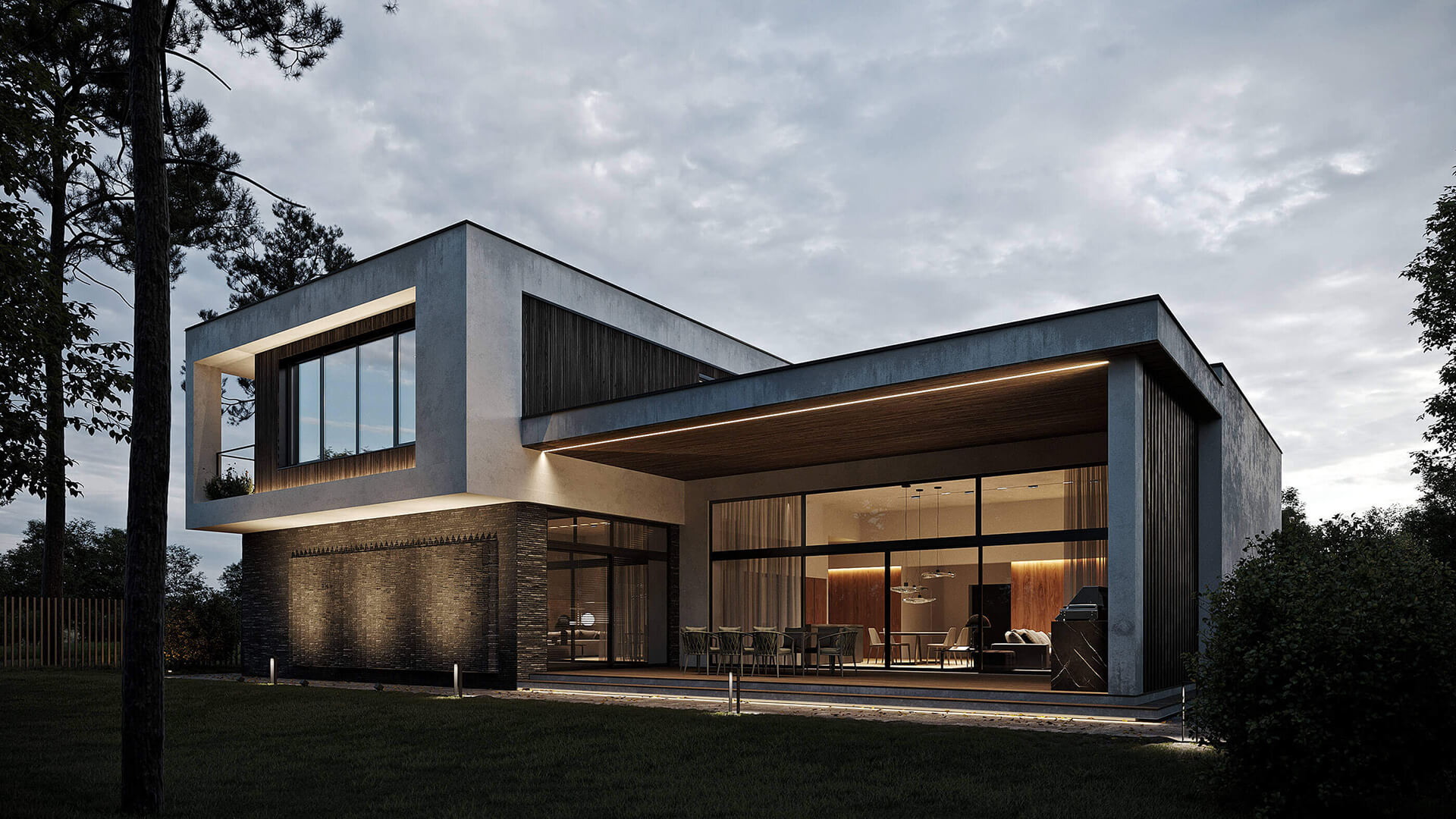
The modern Cyprus aesthetic continues to evolve toward clean lines, natural textures, and open spaces — rooted in simplicity but rich in function.
Key features:
-
Flat roofs and cubic forms
-
Seamless indoor-outdoor living spaces
-
Neutral color palettes paired with warm wood, stone, and metal
-
Sunlight-optimized design for natural brightness and energy efficiency
This design philosophy appeals to both locals and foreign buyers looking for timeless, low-maintenance homes.
3. Smart Homes and Digital Integration
As Cyprus continues to develop its tech ecosystem, smart architecture is becoming a core part of new builds.
Trends include:
-
Home automation systems for lighting, climate control, and security
-
Energy monitoring tech for efficiency and cost savings
-
AI-assisted design processes using real-time data
-
Smart apartment complexes with EV charging, shared facilities, and app-based management
In cities like Larnaca and Limassol, developers are integrating smart features as standard offerings in mid-to-high-end residential projects.
4. Adaptive and Multi-Use Spaces
In a post-pandemic world, Cypriot homeowners now prioritize flexible spaces that can adapt to various needs.
Emerging trends:
-
Home offices or hybrid working areas with acoustic control
-
Modular interiors that can shift from family use to guest hosting
-
Outdoor kitchens and garden lounges for extended living
-
Multi-generational living layouts to accommodate family dynamics
Architecture in 2026 is all about function without sacrificing beauty.
5. Preservation Meets Modernization
There’s a growing movement to protect Cyprus’ architectural heritage while modernizing its function and form.
Expect to see:
-
Restoration of stone-built village homes with modern interiors
-
Conservation-based tourism projects, especially in Lefkara, Kato Drys, and Lofou
-
Traditional courtyard homes reimagined with open-plan designs
-
Mixed-use buildings that preserve façades while reprogramming interiors
This trend is especially popular among foreign buyers and investors seeking authentic Cyprus charm with 2026-level comfort.
6. Coastal Development with a Conscious Approach
With Larnaca’s Marina and Port redevelopment in full swing, the coastline is being reshaped by premium residential, commercial, and tourism projects.
Trends in coastal architecture:
-
Elevated design standards for seafront homes and apartments
-
Resilience-focused construction to withstand humidity and rising sea levels
-
Walkable coastal masterplans that combine lifestyle with sustainability
-
Integration of public spaces, marinas, and promenades into building strategies
This signals a shift toward responsible coastal development that benefits both investors and communities.
Conclusion: Cyprus Architecture Trends to Watch in 2026
From sustainable innovation and smart technology to a revival of traditional forms, Cyprus architecture in 2026 is bold, adaptive, and future-ready. These trends reflect more than design preferences — they represent how Cyprus is evolving as a destination for modern living, cultural pride, and investment potential.
If you’re planning to build, renovate, or invest in Cyprus real estate, staying ahead of these trends will help you create a space that’s not only beautiful — but built to last.